When I think about a flagship product, I don’t think about a stripped-down starting point.
I think about the opposite.
I think about the rider who already knows they want the premium answer. The rider who is not looking for a project bike. The rider who is not interested in buying something, then immediately replacing half of it, second-guessing the setup, or spending the next six months trying to turn it into what it should have been in the first place.
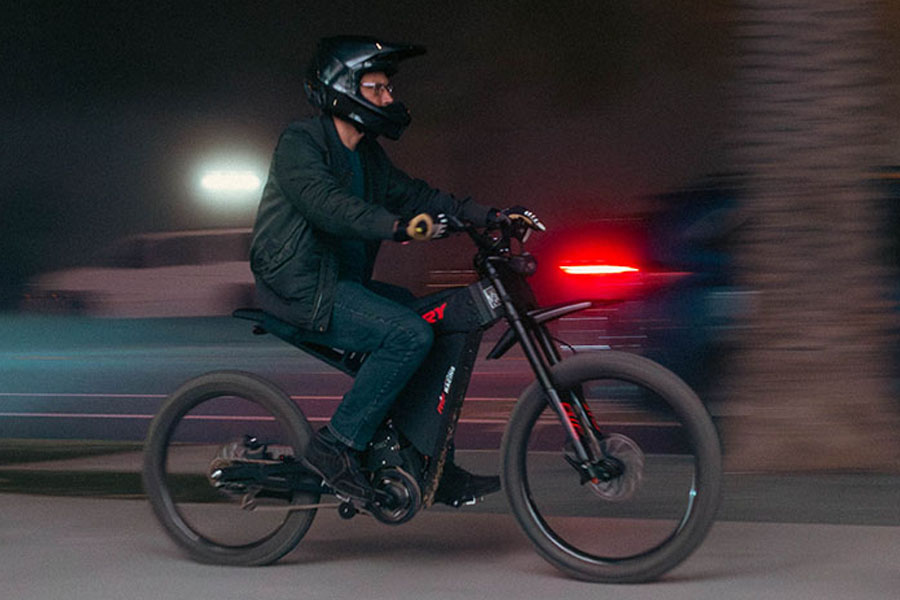
That is what Fury was built for.
From the beginning, I wanted Fury to solve a specific problem in the market. I kept seeing riders who wanted a serious, street-legal platform, but didn’t want to compromise on the feel, the parts, or the overall ownership experience. A lot of people in this category are willing to spend real money, but they want to feel like they bought the right thing the first time.
That is exactly how I think about Fury.
Publicly, Fury is positioned as the street-legal moped-style flagship with a 72V platform, lighting, and a Made-in-USA frame story, alongside an official support and buying path.
That matters because the flagship should feel complete on day one.
A flagship should not feel like a platform you bought because you hope it will become something better later. It should already make sense. It should already feel deliberate. It should already reflect the choices that matter most to the rider who is buying at the higher end of the lineup.
That is the philosophy behind Fury.
I wanted it to be the adult answer in the lineup. Not adult in the sense of boring. Adult in the sense of confidence. Clear purpose. Better fit and finish. Better standard parts. Better out-of-the-box story. Less compromise.
That also ties into why Fury matters so much for the brand overall.
When someone sees the flagship, they understand what you believe. They understand whether you are a brand that chases hype or a brand that makes decisions on purpose. For me, Fury had to communicate that RIF is serious about the road-legal side of this category and serious about building a product that doesn’t feel half-finished.
That is also why support and buying flow matter here.
If someone is shopping a flagship product, they want more than a flashy product page. They want to know there is a real brand behind it. They want to know they can learn the bike, demo the bike, buy it through the official path, and get support afterward. RIF already provides that structure through its dealer page, demo flow, support resources, and official checkout path.
For me, that is part of what makes a flagship feel real.
It is not just what parts are on the bike. It is whether the whole ownership experience feels intentional.
And I think that matters even more in this category, because too many buyers have been trained to expect the opposite. They expect to sort out the details themselves. They expect incomplete documentation. They expect unclear use cases. They expect to need upgrades right away.
I never wanted Fury to live in that world.
I wanted it to feel like the bike for the rider who already knows they want something better.
Not because it is louder. Not because it is marketed harder. But because it makes more sense from the beginning.
That is what a flagship should do.