One of the biggest problems in this category is that people use a lot of words very loosely.
E-bike. E-moto. Moped. Electric dirt bike. Electric motorcycle.
A lot of riders hear those terms used interchangeably, and that creates confusion fast. I’ve seen that confusion at the customer level for years, and it leads people to buy products without fully understanding what they are getting into.
That is part of why being clear matters to me.
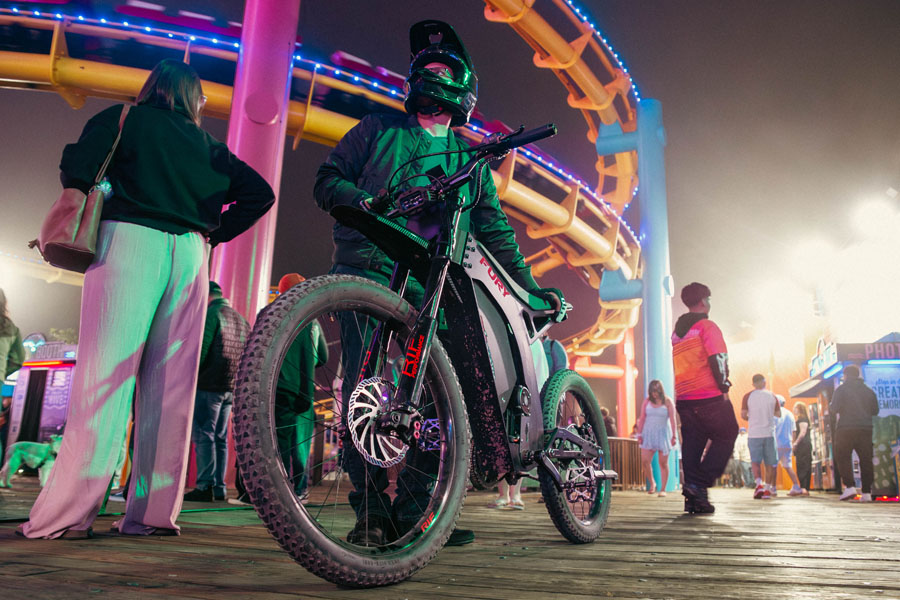
When we describe Fury and Race as street-legal mopeds, that is not just a marketing phrase. It is an attempt to be more honest about what these bikes are and how they fit into the real world. Both models are presented with MCO and VIN documentation in the USA, while Banshee stays in the off-road-only lane.
A lot of customers do not spend much time thinking about paperwork until they need it. But paperwork matters.
If you are buying a machine you expect to use on public roads, you should care about whether it comes with the documentation that supports that use case. That is why the presence of an MCO and VIN matters. It is part of having a cleaner ownership story from the start. It is also why I care that there is real support behind the product, including guidance, app links, setup help, and a real buying path.
That does not mean every state handles things the same way. It doesn’t mean the rider should ignore local rules. But it does mean the product is being presented more honestly from the beginning.
That honesty matters more now than ever.
The market has spent too much time pretending that if you add pedals to something, people will stop asking real questions about what it is. That might have worked for a while in some corners of the category, but it is not a serious long-term strategy. Riders are getting older. Buyers are getting smarter. Enforcement is getting more real. And more people are starting to understand that if a machine performs like a moped in the real world, they should think harder about how it is built, sold, equipped, and used.
That is exactly why I wanted the RIF lineup to be easy to understand.
If you want the road-use side, look at Fury and Race.
If you want the off-road custom side, look at Banshee.
That is a much cleaner starting point than trying to convince everyone that one product is somehow everything at once.
I also think this helps the buyer make a better decision the first time.
A lot of problems in this industry start after the sale, not before it. A rider buys the wrong platform, tries to force it into the wrong use, then spends money fixing, modifying, replacing, or defending a choice that should have been clearer from day one.
I wanted to avoid that.
I wanted a rider to be able to look at our lineup and understand the logic in seconds. Fury and Race are for the street-legal moped path. Banshee is for the off-road-only custom path. Clean lines. Fewer surprises. Better ownership experience.
That kind of clarity may not be as flashy as chasing the biggest headline number. But I think it is more valuable.
Because at the end of the day, this is not just about selling excitement. It is about selling the right machine for the right use.
And in my view, that is how this category grows up.